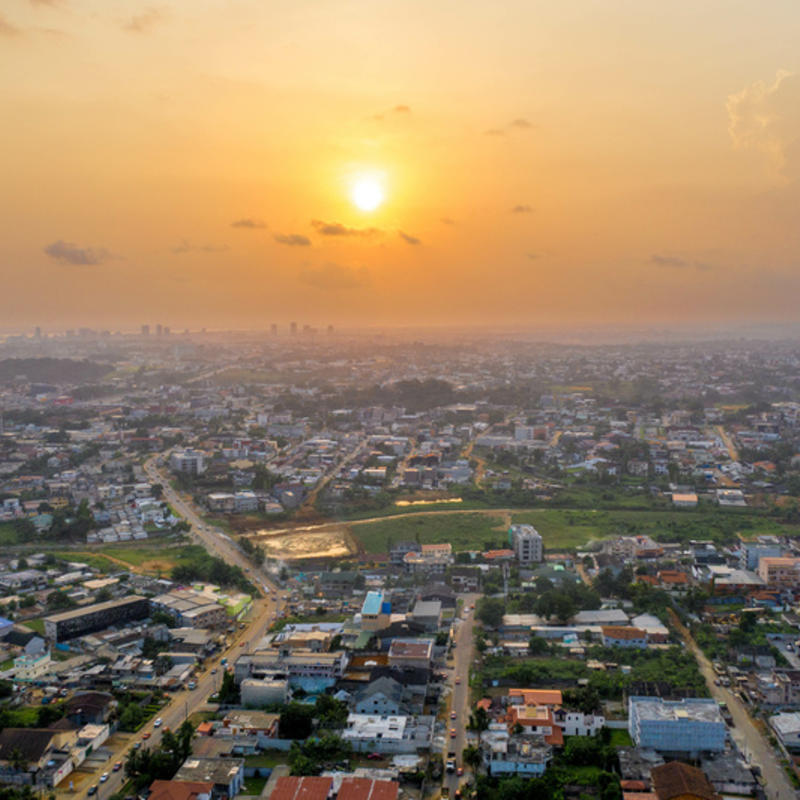
All about the Senoufos and the ethnic groups of northern Côte d’Ivoire
Côte d’Ivoire has great demographic diversity with more than 60 different ethnic groups. Shaped by immigration and in constant movement, the mix of cultures is vast: it forms a mosaic of languages, customs and ways of life. Among the most important peoples are the Senoufos.
The four Ivorian ethnic groups
Ivorian communities are usually divided into four major groups, based on geographical origin and belonging to the same core. The Malinkés, or Mandés, are found in the North, along with the Voltaïques or Gours, then further South, the Krous and the Akans. This division is approximate and simplified: in reality it is more complex, and one could still distinguish the Lagoon group and the Southern Malinkés.
Moreover, the classifications of ethnologists are not the same as those of the peoples themselves. Some consider themselves connected with others that the classifications do not take into account, and vice versa.

The Senoufos, a people of Côte d’Ivoire
The Senoufo people are a Voltaic people, speaking a Gour language. They are also present in Mali and Burkina Faso, and are one of the most important groups in Côte d’Ivoire, representing 9.7% of its population. The group itself is subdivided into 9 peoples: the Pongalas, the Niarafolos, the Tchébara, the Tagouanas, the Nanfarans, the Fodonons, the Gbatos, the Kafibélés and the Miniankas.
In Senoufo, the people also call themselves the Siénas, meaning “those who work in the fields.” The Senoufos are above all farmers, growing millet, rice, maize, yam, cassava and tea. This knowledge is said to come from the Mandébélés, a nomadic people, hunters and farmers when they settled for long periods. Legend has it that, as the Senoufo people became powerful thanks to this new skill added to hunting, the Mandébélés grew fearful and left the area through the forest. They then became the spirits of the forest, represented today by statuettes with reversed feet.
Villages are built in a circular way with, at their center, the rectangular building of the village chief, surrounded by round huts with thatched roofs for the inhabitants.
Today, the Senoufos remain farmers, as game has become increasingly rare. Their land is rich, with a climate favorable to crops such as millet, maize, beans, fonio, ground peas, sweet potatoes, yam, peanuts, sesame, tobacco, cotton, and rice… There are also large orchards of mango trees, orange trees, papaya trees, lemon trees and banana trees.
The Senoufos settled in northern Côte d’Ivoire between the 10th and 15th centuries. Along with the Mandés and the Krous, they are among the oldest peoples in the country. Their geographical origin is said to be eastern Mali and the Burkina-Mali border. They are traditionally organized into villages, governed by a council of elders, and surrounded by a sacred forest where each person is initiated from childhood into the Poro ritual. Still practiced today, the ritual is long and takes place in three stages of 7 years each: the Kouord, the Tcholo and the Kaffono.
The city of Korhogo is largely populated by Senoufos. There, one can find art objects from Poro rituals, made with ancestral know-how such as polychrome masks, statuettes, pottery and painted canvases. The notes of the balafon accompany here and there some demonstrations of sacred dance.
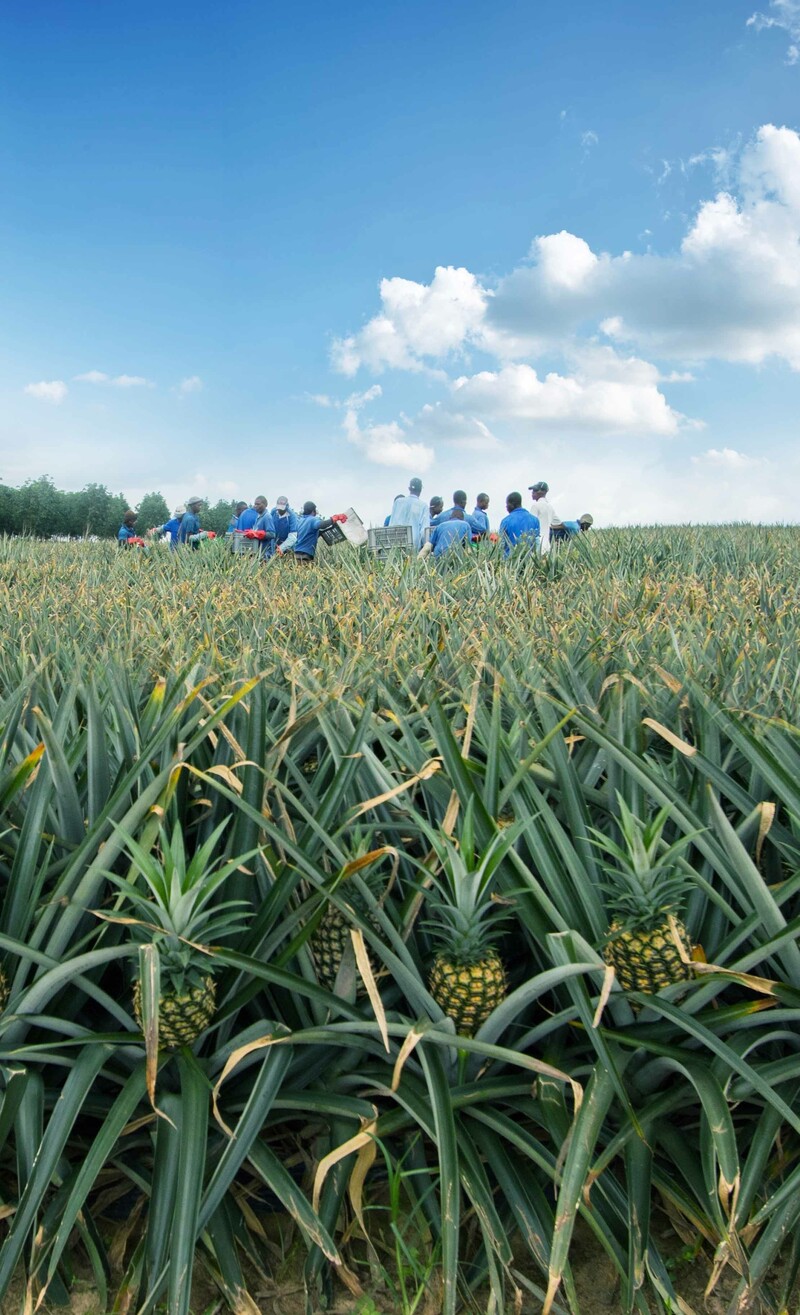
The Lobis and other Voltaic peoples of Côte d’Ivoire
Like the Senoufos, the ancient Voltaic peoples come from a territory located between the Baoulé River and the Black Volta River. These include the Koulangos, found in the Bouna region. The Lobis are the last group formed among the Voltaic peoples.
Among the most numerous peoples, the Lobis represent 1.8% of the population of Côte d’Ivoire and gather around Bouna, near Burkina Faso and Ghana. They traditionally speak Lobiri, but also Dioula and, more recently, French. The Lobi community is organized around the thildar, the religious specialist who communicates with the spirits governing the community, protecting each of its members from accidents, diseases and threats present in this hostile region of West Africa.
Today, most Lobi villages are located in Comoé National Park, formerly the Bouna Reserve and listed as a UNESCO World Heritage Site. It is one of the largest natural reserves in Côte d’Ivoire, a visit not to be missed during your trip! To get there, you can arrange your stay with the National Office of Water and Forests of Côte d’Ivoire or with a tracker, and set off from Abidjan by public transport or by 4x4.
From the great plain, you will be able to observe many animals such as buffaloes, elephants, antelopes, lynxes or leopards. Mountaineering enthusiasts will also be delighted: you can climb Mount Wabélé, 664 meters high, or Mount Yévélé, at an altitude of 635 meters. For hikers, the park has trails stretching over 500 km. Along your way, or from a high vantage point, you can admire the exceptional flora and fauna that inhabit the reserve.
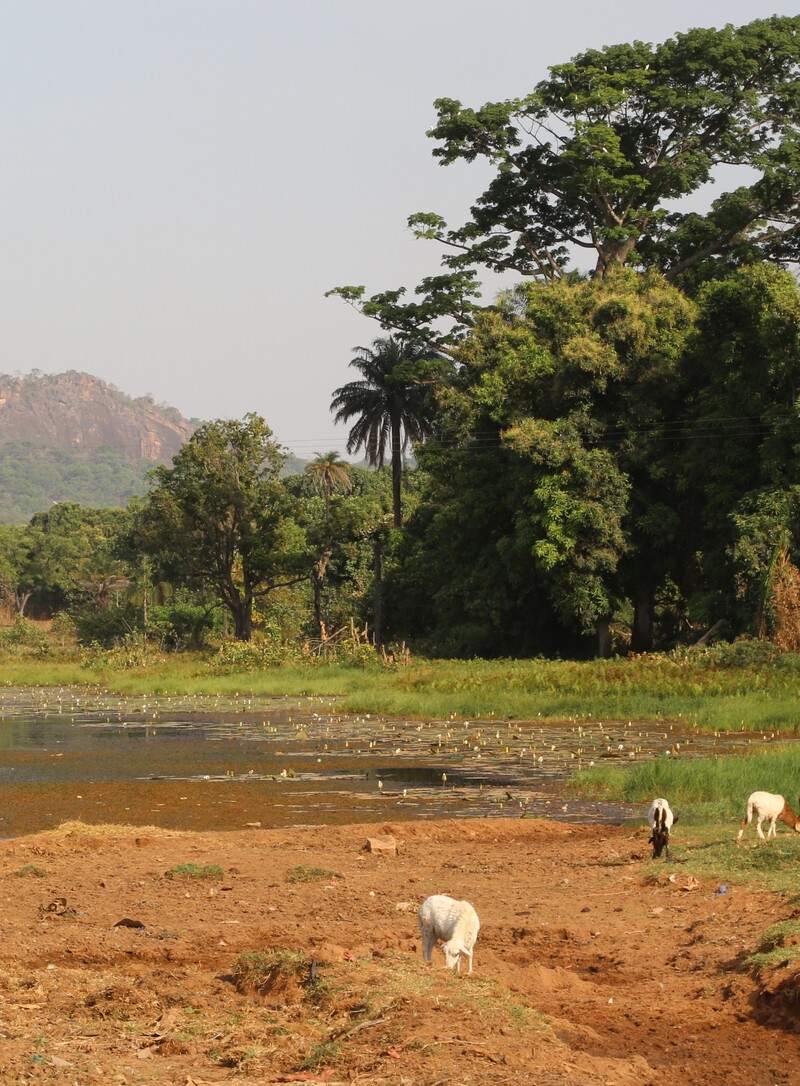
The Malinkés of Côte d’Ivoire
Known by several names such as Mandé, Mandinka, Maninka, the Malinkés form a large group. They are at the origin of the Bambaras, the Dioulas, the Jalonkés, the Soussous and the Diakhankés. Their influence extended to important groups such as the Dogons and the Mossis… They were once the dominant ethnic group of the Mali Empire, and in fact ruled West Africa between the 13th and 14th centuries.
The Malinkés make up 19% of the population of Côte d’Ivoire, and more than 94% of them are Muslims, although the practice of traditional cults still persists.
The Malinkés are primarily farmers, and a caste system assigns them to a profession: the Numurus are blacksmiths, jewelers and potters, Maboulé women are dyers, the Koulés work with wood, and the Garankés with leather. Herders and weavers are mainly Fulani.
Malinké villages are mainly built in a ring around three areas: gardens in the center where maize is grown, then permanent fields around the village, bush fields on the outskirts, and rice fields in the lowlands. Agricultural tasks are divided by gender: rice fields are exclusively female, while peanut cultivation is male.
In Odienné and Kimbirila, dance performances recount the hunting and war stories of the Malinkés. They highlight the importance of songs, music and dance, as carriers of tradition and culture.
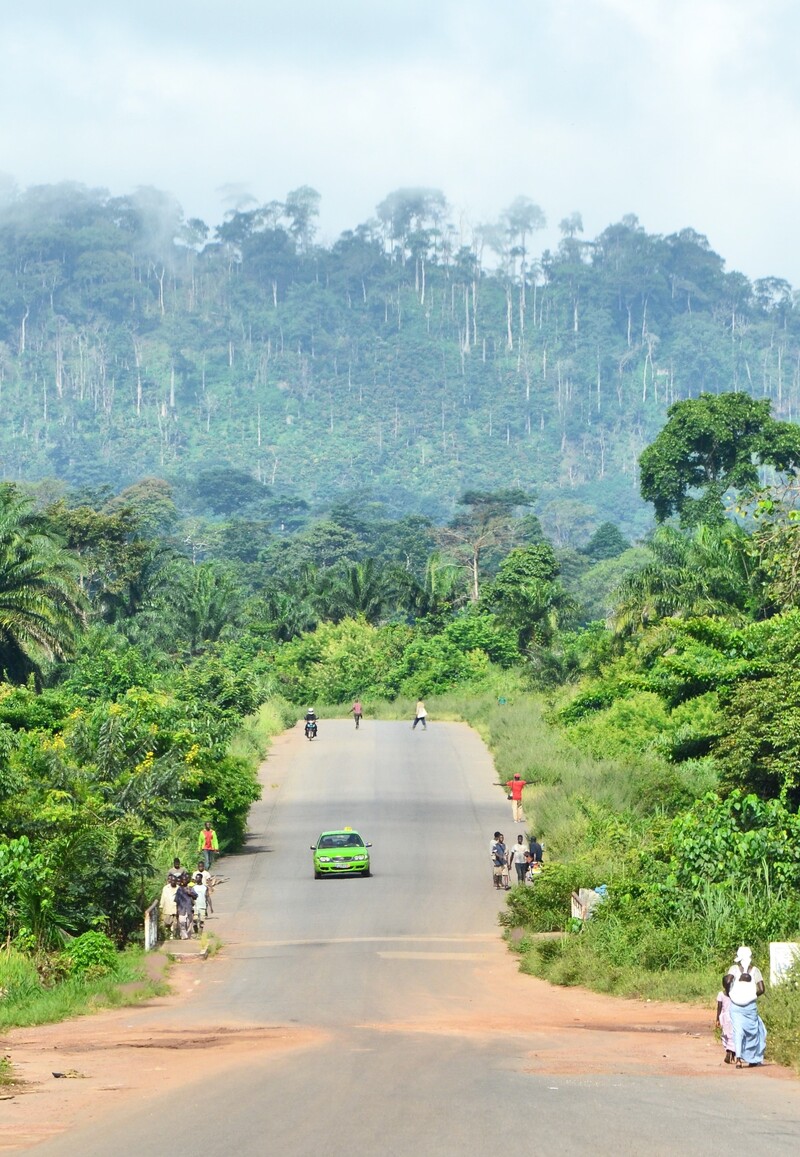
The Krous of Côte d’Ivoire
The Krou people occupy the southwestern part of Côte d’Ivoire and extend into Liberian territory. They are divided into about twenty different ethnic groups, 15 of which are in Côte d’Ivoire. The Krous are split into three groups of beliefs: paganism, Protestantism and Catholicism, due to the evangelization missions carried out by France at the end of the 19th century.
Their influence is very important on Ivorian culture: the country owes them zouglou music, Bolo music — a mix of African and Western instruments — as well as the Wés dance. They are also known for the masks they wear, popular in early 20th century contemporary art.
Our flights to Côte d’Ivoire